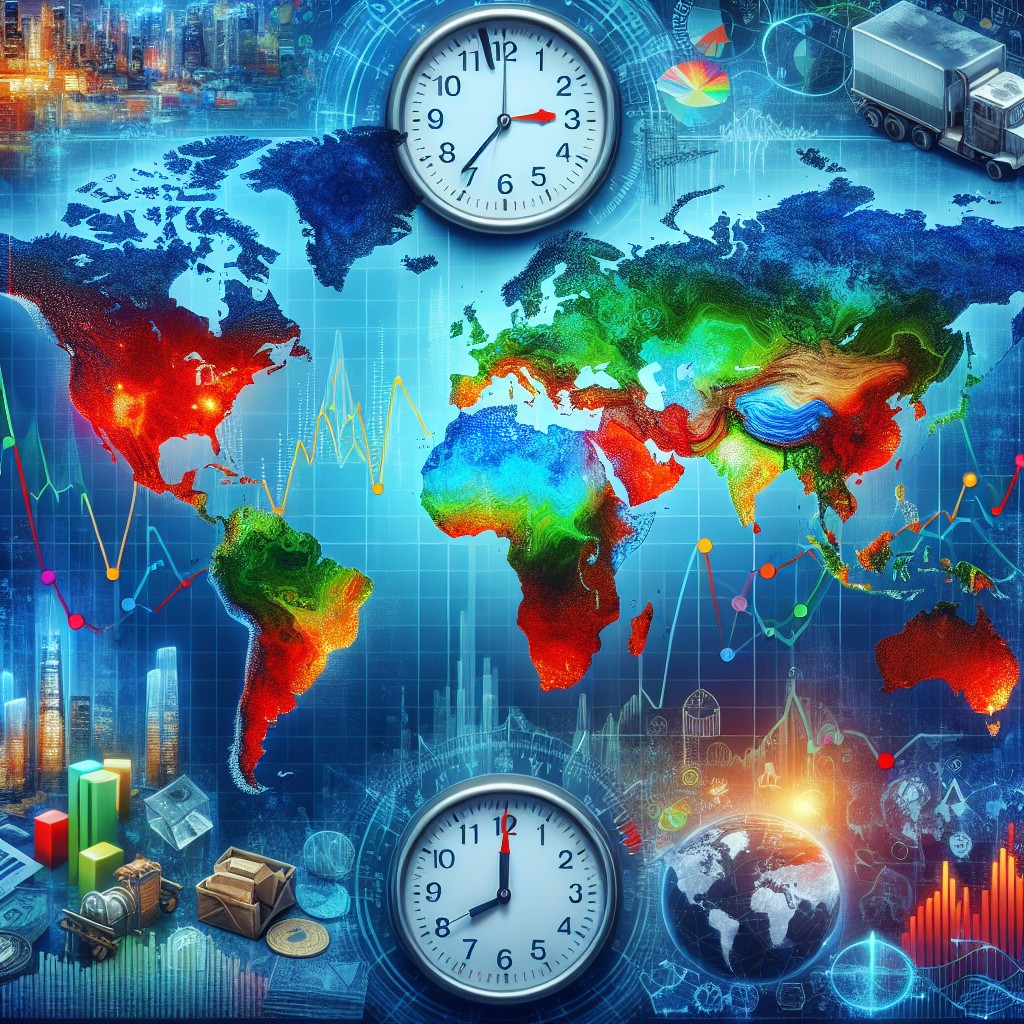
As the global climate crisis intensifies, experts have begun to unveil alarming predictions regarding weather patterns in 2026. A new Climate Analysis report indicates that unprecedented changes in temperature and precipitation could have significant ramifications worldwide. This article examines the findings of the report and explores the potential impacts on ecosystems, agriculture, and human health.
Unprecedented Temperature Changes Forecasted
The Climate Analysis predicts dramatic changes in temperature by 2026, with some regions experiencing increases of up to 3 degrees Celsius compared to the early 21st century. This rise is attributed to ongoing greenhouse gas emissions, which continue to rise at alarming rates. Scientists warn that such temperature spikes could lead to heatwaves, especially in areas traditionally known for mild climates.
Shifting Precipitation Patterns and Their Implications
Alongside rising temperatures, the Climate Analysis highlights worrying shifts in precipitation patterns. Many regions are expected to face increased rainfall, while others may suffer from prolonged droughts. Such shifts could severely impact water supplies and agricultural yields, resulting in food insecurity for vulnerable populations. Experts stress the importance of adaptive strategies to mitigate these anticipated changes.
Impact on Biodiversity and Ecosystems
The findings of the Climate Analysis report extend to biodiversity, indicating that the increasing unpredictability of weather patterns threatens various ecosystems. Species may struggle to adapt to rapidly changing environments, leading to extinction risks in fragile habitats. Conservationists emphasize the need for immediate action to protect biodiversity by implementing sustainable practices and protecting natural habitats.
Conclusion: A Call for Immediate Action
The predictions outlined in the Climate Analysis report for 2026 serve as a stark reminder of the ongoing climate crisis. Without immediate and substantial interventions to reduce greenhouse gas emissions and adapt to new climatic conditions, the world may face severe consequences affecting health, food security, and natural ecosystems. Experts call for coordinated global efforts to combat these challenges effectively and sustainably.
Frequently Asked Questions about Climate Analysis
What is the significance of the 2026 Climate Analysis report?
The 2026 Climate Analysis report provides crucial insights into future weather patterns, highlighting significant changes in temperature and precipitation that could affect global ecosystems and human life.
How can we mitigate the impacts predicted in the Climate Analysis?
Mitigating impacts requires a concerted effort to reduce greenhouse gas emissions, improve water management practices, and enhance agricultural strategies to adapt to new climatic realities.
What role does greenhouse gas emissions play in the Climate Analysis predictions?
The Climate Analysis predictions are largely driven by the ongoing increase in greenhouse gas emissions, which contribute to rising temperatures and shifting weather patterns.
What actions can individuals take in response to the Climate Analysis findings?
Individuals can take action by reducing their carbon footprints, advocating for sustainable practices, and supporting policies aimed at addressing climate change.
Where can I access more detailed information on the Climate Analysis?
More detailed information can be found on authoritative websites such as NASA and other climate research organizations, which provide extensive resources on climate data and analyses.